Compare Local Contractors for House Plumbing Installation Projects
Compare local contractors to define project scope, verify experience, and set clear expectations for your house plumbing installation.
House plumbing installation encompasses a range of tasks essential to ensuring a reliable and functional water supply within a property. This typically includes installing or replacing water supply lines, waste and vent piping, fixtures such as sinks, toilets, and bathtubs, as well as connecting appliances like dishwashers and water heaters. Proper installation requires attention to building codes, plumbing standards, and the specific layout of the property to prevent leaks, ensure adequate water pressure, and facilitate future maintenance or repairs.
Defining the scope of plumbing work is a critical step in the process. Clearly outlining what needs to be done helps property owners communicate their expectations to contractors and ensures everyone is aligned on the project’s objectives. A well-defined scope can include details about the types of fixtures to be installed, locations of new piping, any modifications to existing plumbing, and specific requirements for materials or finishes. Having this information in writing can help prevent misunderstandings, manage project complexity, and serve as a reference throughout the installation process.
Property owners can compare local contractors by examining their experience with similar plumbing projects, checking references or reviews, and verifying their familiarity with the types of work needed. It’s beneficial to ask service providers about their approach to defining project scope, their process for handling unexpected issues, and how they communicate progress or changes. Comparing how contractors plan to approach the work, their attention to detail, and their ability to deliver clear, written agreements can help property owners choose a professional who aligns with their expectations and project requirements.
Compare local contractors by outlining priorities, verifying experience, and clearly defining project scope and expectations.
- Experience and Credentials - Verify the experience and background of local contractors to ensure competence in house plumbing installation.
- Scope Definition - Clearly define the project scope and expectations in writing to prevent misunderstandings.
- Comparison and Selection - Compare multiple service providers based on expertise, reputation, and service offerings.
- Written Agreements - Establish detailed, written agreements that outline the work scope, responsibilities, and terms.

Clearly describe your plumbing project to compare local contractors, verify experience, and set clear written expectations.
- Verify experience with residential plumbing installation projects similar in scope and complexity. - Ensure contractors clearly define the scope of work in writing to set accurate expectations.
- Assess the contractor’s familiarity with local plumbing codes and regulations relevant to the area. - Confirm that service providers have a thorough understanding of local standards and requirements.
- Request detailed written proposals outlining materials, fixtures, and installation methods to compare options effectively. - Look for comprehensive documentation that covers all aspects of the installation process.
- Check references or reviews to evaluate the contractor’s track record with house plumbing installations. - Gather feedback from previous clients to understand the quality and reliability of the service provider.
- Discuss project timelines and milestones to ensure alignment on project deliverables and expectations. - Clarify key deadlines and phases to facilitate smooth coordination during installation.
- Confirm that the scope includes provisions for testing and inspecting the plumbing system upon completion. - Make sure the contractor plans to verify the system’s functionality and compliance before project closeout.
Compare local contractors, define project scope clearly, verify experience, and set written expectations.

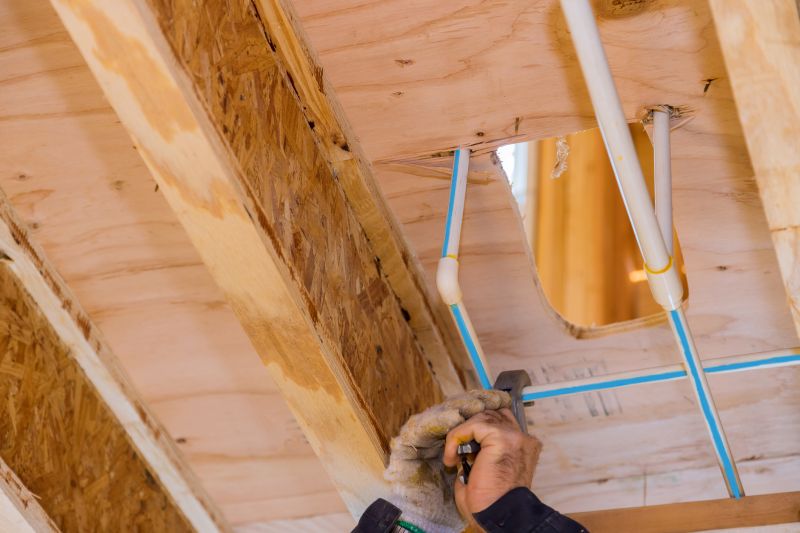
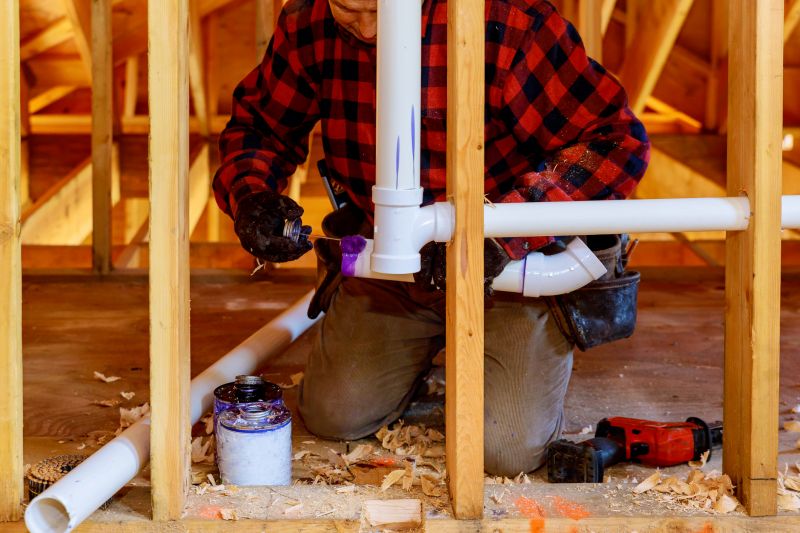

Use clear, consistent criteria to compare local contractors’ scope, experience, and written expectations for plumbing installation.
- Scope Definition - Clearly outline the specific plumbing tasks and areas to be addressed in the installation project.
- Material Specifications - Specify the types and quality of pipes, fittings, and fixtures to be used during installation.
- Experience Verification - Confirm that local contractors have relevant experience with residential plumbing installations.
- Work Expectations - Document detailed descriptions of the work process, including installation methods and standards.
- Written Agreement - Ensure all scope details, materials, and expectations are documented in a formal, written contract.
When choosing contractors for house plumbing installation, it’s important to assess their experience with similar projects. Homeowners should inquire about the types of plumbing systems they have installed in the past and whether they have handled projects comparable in scope and complexity. Contractors with a proven track record in residential plumbing installations are more likely to understand the specific challenges that can arise and to deliver results that meet expectations. Verifying the familiarity of potential service providers with the particular demands of a home’s plumbing layout can help ensure the work proceeds smoothly and efficiently.
A clear, written scope of work is essential when comparing different service providers. Homeowners should seek detailed descriptions of what each contractor intends to do, including the materials to be used, the specific tasks involved, and any assumptions or exclusions. Having a comprehensive scope in writing helps prevent misunderstandings and provides a basis for evaluating whether a contractor’s approach aligns with the project’s needs. It also offers a reference point for discussions and adjustments before work begins, fostering transparency and clarity throughout the process.
Verification basics involve confirming that contractors have the appropriate experience and a solid understanding of plumbing installation requirements. Homeowners should ask for references or examples of completed projects similar to theirs, and consider how well the contractor communicates their process and expectations. It’s also helpful to verify that the contractor follows industry standards and best practices, even if formal licensing isn’t being discussed. These steps contribute to a more informed decision by highlighting the service provider’s competence and reliability in managing residential plumbing projects.
Evaluating options without focusing on prices involves examining how well each contractor’s approach aligns with the project’s scope and your expectations. Consider their experience with similar projects, the clarity of their written scope, and the thoroughness of their verification process. Pay attention to how clearly they communicate their process and whether their proposed methods seem appropriate for the work. By comparing these factors, homeowners can identify service providers who demonstrate professionalism, expertise, and a clear understanding of the job, making it easier to select a contractor capable of delivering quality results.
Ask contractors to provide written scope details to ensure clear expectations and consistent project understanding.
- **Experience and Credentials** - What experience do local contractors have with house plumbing installation projects similar to yours?
- **Scope of Work** - How do local service providers define and document the scope of plumbing installation services included?
- **Comparison of Services** - What specific services and materials do different contractors include in their plumbing installation proposals?
- **Work Approach and Methods** - How do local contractors plan to approach the plumbing installation to ensure quality and compliance?
- **Written Agreements** - Do local service providers provide detailed written descriptions of the work scope and expectations?
How can I compare contractors for house plumbing installation? To compare contractors, review their experience, verify references, and ensure they clearly define the scope of work in writing to make informed decisions.
What should I look for when choosing a plumbing installation contractor? Look for contractors who specify their services in writing, have relevant experience, and provide detailed project descriptions to ensure clarity and professionalism.
How important is it to verify a contractor's experience? Verifying experience helps ensure the contractor is knowledgeable about house plumbing installation and can handle the specific requirements of the project.
How can I define the scope of work with a contractor? Clearly outline the tasks, materials, and project expectations in writing to set mutual understanding and avoid misunderstandings during the work.
What questions should I ask a contractor before hiring? Ask about their previous projects, how they handle unexpected issues, and request a detailed written plan of the work to compare their approach and professionalism.
Why is it important to have everything in writing? Having the scope, expectations, and agreements documented helps prevent miscommunication and provides a reference for the project's progress and responsibilities.
This page has highlighted key steps for finding the right contractors for house plumbing installation, including defining the scope of work, verifying experience, and setting clear expectations in writing. Understanding these factors can help ensure the project aligns with specific needs and preferences. To explore options and compare different service providers, using the quote form is an effective way to connect with local contractors who can handle the job.
Taking the time to evaluate and compare local service providers can simplify the process of selecting a contractor for house plumbing installation. Filling out the quote form provides an opportunity to gather information on available options, making it easier to make an informed decision. This approach helps ensure that potential contractors meet the requirements and expectations for the project.